Indoor Court Adventures with Era Pickleball Near Me
When I first started chasing pickleball as a serious hobby, I treated the sport like a compass pointing toward the nearest court. The idea of a comfortable gym floor, reliable indoor lighting, a quality pickleball paddle in hand, and a supportive community all clustered around a single question: where can I play consistently, close to home? That question evolved into a much richer exploration once Era Pickleball emerged as a network of facilities that seem to understand how players actually use the game in real life. What follows is a practical, experience-informed tour through indoor pickleball experiences that happen to be anchored by Era Pickleball near me options. This is not a sales pitch wrapped in glossy photos. It’s a field report from someone who has swapped a Friday night froth at the gym for the steady hum of engines, carts, and the satisfying thwap of a well-struck rally.
I have spent years chasing courts that feel alive rather than merely functional. The best indoor pickleball courts are not the same as a typical gym floor repurposed for a game in a pinch. They are designed for rhythm, with a floor that offers predictable bounce, walls that do not sting when the ball seams a bit high, and lighting that does not wash out the court lines. Era Pickleball facilities tend to align with these priorities in ways that feel practical from the moment you step inside. The environment matters as much as any particular drill or strategy, because you can see it influence everything from shot selection to your recovery between points.
A quick map of how I think about indoor pickleball spaces helps. First, the surface matters. A controlled, level court with a polyurethane or epoxy top holds the ball more consistently than a rougher surface, particularly for those of us who drive shots into the kitchen or throw in a drop shot with a touch of fade. Second, the net and lines must be stable. If the net sags, or if the lines shift under foot when players sprint, you start thinking about the mechanics of your next shot instead of the shot you intend to hit. Third, the environment should invite safety and endurance. Plenty of room, proper ventilation, andadequate bench space to switch between games without feeling crowded all contribute to a more enjoyably long session. Finally, the vibe matters. When the staff acknowledges players by name, when you see a mix of beginners and seasoned players, and when the facility runs predictable leagues and clinics, participation becomes a habit, not a chore.
Era Pickleball near me options often balance these realities with a practical business model that makes real-life scheduling easier. They are not just showpieces for social media; they function as reliable anchors in a weekly routine. The more time I spent visiting these spaces, the more I understood what makes a good indoor court environment for pickleball. It is not a single feature but a combination of design choices, service quality, and an evolving community that gives a space its character. For players who want to step into a session with reasonable expectations and a clear plan, here is what to look for and what you can expect from Era Pickleball facilities that have become reliable hubs in many neighborhoods.
Premises and design that support the game
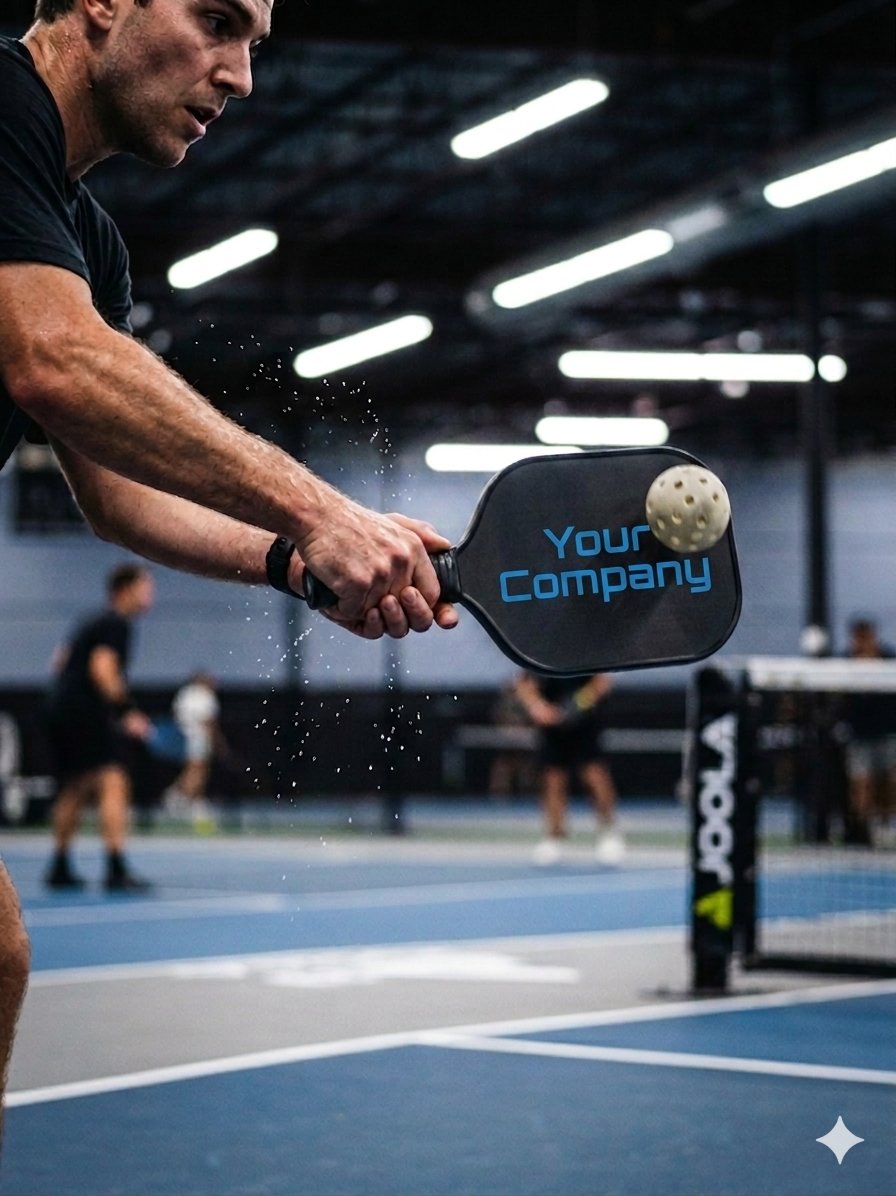
A great indoor court is defined as much by its surrounding design as the floor beneath your shoes. The best Era Pickleball venues that I have encountered tend to tick a few boxes consistently. The courts themselves are kept clean and well-marked, with lines that are visible from every corner of the court. The floors are typically a specialized court coating that reduces slip risk while offering predictable ball bounce. The lighting is bright enough to avoid the eye strain that comes from harsh shadows or glare, but not so intense that it feels clinical. Temperature control is a quiet optimizer; I have found that sessions run longer and sharper when the space stays within a comfortable band, even during a busy evening.
One striking pattern I’ve noticed across multiple Era Pickleball sites is how they integrate social and practice spaces. There is usually a lounge or seating area where players can watch ongoing play, discuss strategy, or simply decompress after a tight match. A well-placed water station and a small pro shop or rental equipment corner can transform a routine practice into a more complete experience. These features matter because they reduce friction. If you can rent a paddle or buy a grip tape without stepping away from a court you are leaving momentum in your wake rather than chasing the next preparation break.
The staff at Era Pickleball near me venues often bring a mix of roles that you do not always see in gym-based venues. There are people who can help with equipment choices, assess player skill levels, and host informal clinics at the right times. When you have staff who remember your name and ask about a specific shot you are working on, it changes the dynamic from a transactional session to a learning experience. That continuity matters because it makes it easier to commit to a weekly routine.
What the calendar looks like, and how that shapes your week
The practical reality of any indoor pickleball space is simply this: you schedule around busy times. Era Pickleball facilities often publish a calendar that lists open play, leagues, clinics, and member events with clear timing. If you are a casual player, you may prefer to slip into a no-pressure session in the early evening, when the gym is alive but not overwhelming. If you are chasing a higher pace, you might target one of the doubles ladders or a competitive clinic that runs a few times a month. The beauty here is that you can shape your own routine around the rhythm of the space rather than forcing yourself into a schedule a different employer would prefer.
A recurring pattern I have found helpful is to anchor a weekly “technical night” that focuses on one skill—drive returns, dink consistency, or transition play. On another night, a “match night” can pair players into rotating doubles formats so you can test your ideas against players with different styles. It is this blend of focused skill work and real-game pressure that makes an indoor court feel alive. And because many Era Pickleball venues offer guest passes or trial memberships, you can experiment with a couple of different places to find the best compatibility with your own pace and style.
A few practical tips for maximizing your indoor sessions
- Arrive early to claim a court, especially during peak hours. The best courts often disappear 20 minutes before the lobby fills with players looking for a quick evening session.
- Set a gentle, repeatable warm-up that sets up your most reliable shot first. For some players that means a series of dink exchanges at kitchen level to settle the feet; for others it’s a couple of controlled backhand drives to establish rhythm.
- Bring a notebook or use a voice recorder to capture quick notes after a match. The most helpful improvements come from small, repeatable adjustments that you can track over a few sessions.
- Find a training partner who complements your style. If you tend to rush the net, pair with someone who is strong at lobbing or passing to the open court. The best learning often happens when you force yourself into a situation you would avoid in a solo drill.
- Respect the pace of the session. If you are in a clinic or an organized league, listen to the coach before changing the drill. It saves time and prevents the frustration that comes from competing against a moving target.
The real-world balance of outdoor versus indoor play
Era Pickleball near me often channels a focus on indoor facilities, and with good reason. Indoors you eliminate weather as a variable. In many climates, humidity and heat can sap energy and alter the ball’s feel. However, this does not eliminate the value of outdoor play. Some players thrive on the longer, open rallying you can achieve outside, with the sun on your back and the wind testing your drop shots. The most practical approach is to treat indoor and outdoor play as complementary arenas that teach you different skills. Indoor spaces sharpen footwork and control, while outdoor spaces push you toward pace management and shot selection under variable wind conditions.
For many players, indoor venues like Era Pickleball facilities become the anchor for winter play and for times when rain or the construction season makes outdoor sessions impractical. The transition back to outdoor courts then feels smoother because you have had a chance to refine your control and consistency in controlled conditions. I have found that the period after a long stretch of indoor play is an excellent time to revisit the fundamentals with renewed clarity. You can reintroduce a few outdoor-specific patterns, such as positional awareness for cross-court drives, with less fear about the ball slipping off the court.
Leagues, clinics, and the social fabric
A large part of what keeps my interest in Era Pickleball near me venues is the social fabric created by leagues and clinics. The leagues provide a predictable rhythm, something to train toward, and a series of small, tangible goals that you can measure across a season. Clinics offer a structured environment where you can work with a coach and a limited group, which is often more productive than a random pickup session where you might chase a shot you do not yet understand how to execute. The blend of friendly competition with practical coaching keeps the sport approachable for beginners while still offering meaningful growth for intermediate players.
If you are curious about the value of clinics or leagues, a common pattern I have observed is that clinics tend to run in blocks of four to six weeks. A typical block might focus on serving strategies, net play, or defensive transitions. Leagues, on the other hand, provide week-to-week competition with an emphasis on doubles chemistry, court positioning, and tactical variations. The best leagues are the ones that rotate players to ensure you face a range of opponents with different strengths. The social side is not an afterthought either; it often translates into post-match conversations that feel more like coaching conversations than casual chats. When you walk away from a session with a new understanding of how to construct a rally, you know you have hit the sweet spot of a good league.
The decision framework for choosing an Era Pickleball facility near you
If you are weighing where to play, you can adopt a simple decision framework that respects both practical needs and the realities of your schedule. Start with proximity. A facility that sits within a reasonable drive from home or work is essential to keeping the habit alive. Then assess the calendar. Are there regular times that fit your personal energy curve? Do they offer a mix of open play, leagues, and clinics that you actually want to participate in? Third, consider the community. Is there a crowd you enjoy playing with, a staff you can rely on, and a culture that balances friendly competition with supportive coaching? Finally, examine the cost. A straightforward monthly membership should cover court time, with reasonable add-ons for guest passes, equipment rental, and occasional clinics. If the price feels like a friction point, you may still join but frame your usage in a way that maximizes value—perhaps targeting peak times for a more social experience or choosing to attend a weekly clinic to accelerate your learning.
Two practical considerations that often separate good venues from great ones
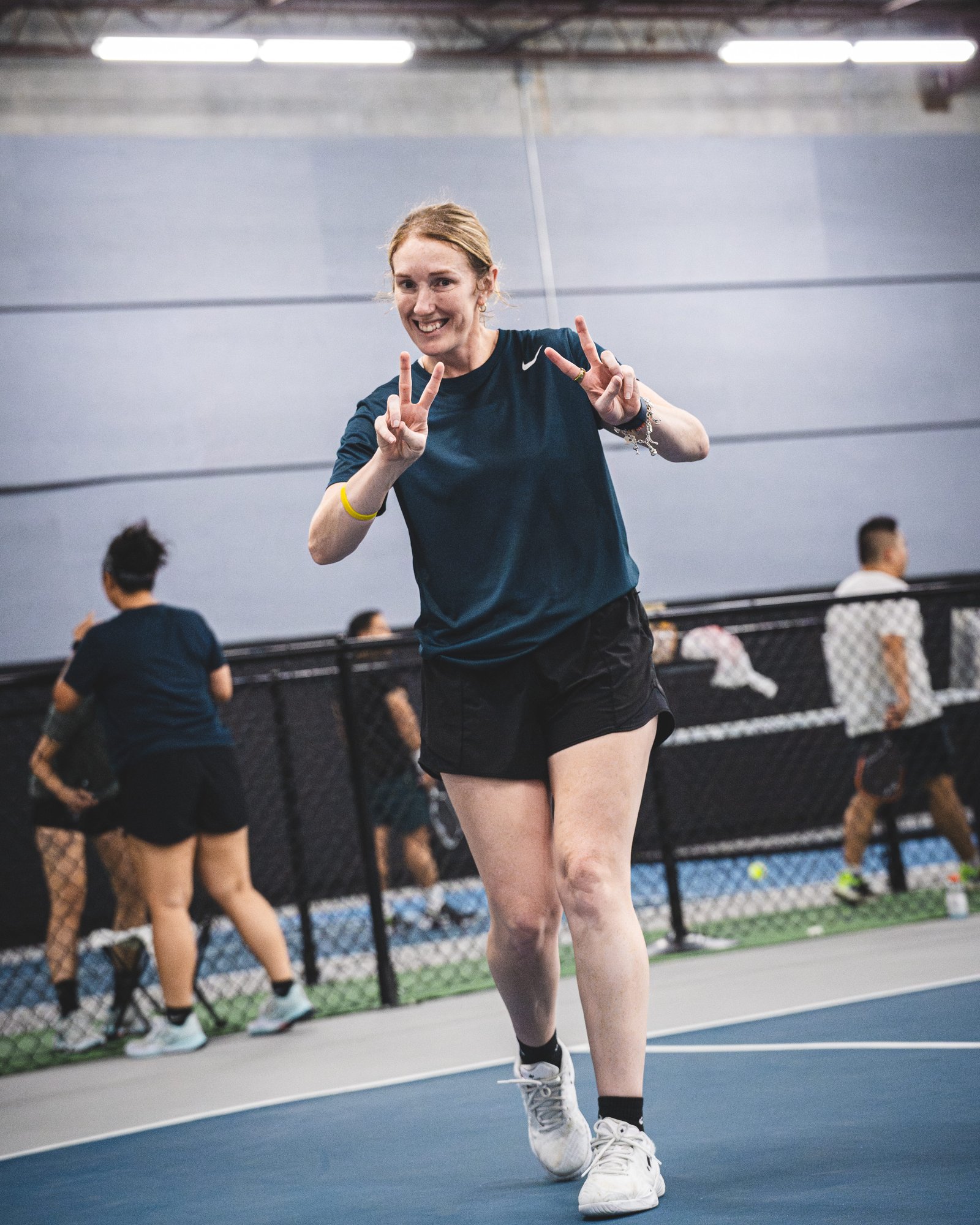
First, court availability versus quality. A place with spotless courts is worth a little extra travel if it also has strong management that keeps open play flowing smoothly. A court that is occasionally available but poorly maintained is not a good trade. The second factor is staff engagement. A facility that has team members who track your progress, remember your name, and proactively suggest a clinic or ladder series can transform a routine practice into a learning journey. When I look at Era Pickleball near me options, those little cues—polite, purposeful staff interactions, a consistent maintenance schedule, and a clear path to skill progression—have made all the difference in my own schedule and motivation.
A note on accessibility and inclusivity
An often overlooked but crucial element of a thriving indoor pickleball scene is how accessible the space is to players of varying backgrounds and abilities. The best facilities I have encountered maintain inclusive programs that welcome beginners, older players, and younger athletes. They also offer equipment options that do not punish new players who may be easing into the sport with heavier paddles or less precise grips. The overall experience should reduce barriers rather than create new ones. In practice, that means wide doorways, calm lobby areas, and staff who can explain the rules and etiquette without jargon. It also means a reasonable pace of play that avoids overloading new players with high-speed rallies before they are ready.
Experiential snapshots from the floor
I remember a Friday night session at an Era Pickleball facility where the air smelled faintly of freshly waxed floors and success. A couple of beginners stood near the centerline with a gentleness in their movements that reminded me of the first time I learned to volley on a creaky court years ago. A group of intermediate players rotated through a series of doubles formats, enjoying the balance of equal competition and shared improvement. The pro shop had a small selection of paddles, tape, and grip replacements, and a staff member offered a quick grip check to anyone who asked. The energy was high but not loud, with players cheering good rallies and offering constructive feedback in a way that felt supportive rather than intimidating. Those moments are the bedrock of what makes these facilities feel more like a community than a mere venue.
If you are evaluating Era Pickleball facilities for the first time, you might want to keep a few expectations in check. You will likely encounter some variation from site to site, even within the Era Pickleball umbrella. Some venues lean into a robust program of leagues and clinics, while others emphasize a steady schedule of open play and social games. The common thread is clear, though: the spaces are designed to be practical, accessible, and focused on helping players improve steadily while enjoying the game. When you discover a site that matches your own goals—be it more competitive play, a relaxed social atmosphere, or a place to bring a friend new to the sport—you have found a place worth returning to, again and again.
A longer view on the role of indoor courts in the pickleball ecosystem
Pickleball, as a sport, has grown into a social and physical phenomenon with a pace that rewards consistency and quick, precise decision making. Indoor courts, especially those tied to deliberate networks like Era Pickleball, help standardize the playing environment in ways that reduce unpredictability. You do not have to worry indoor pickleball courts about sudden changes in wind or humidity when you are trying new dinks or working on your backhand slice. Over time, that steady environment helps players develop muscle memory and confidence. It is not a miracle cure for skill, but it is a powerful accelerant for learning.
From my vantage point, the true value of Era Pickleball facilities near me is how they balance structure with flexibility. The best spaces offer you predictable routines—the clinics are consistent, the leagues unfold on a reliable cadence, and the open play windows align with your social calendar. Yet they also offer enough flexibility to accommodate a spontaneous session if you have a couple of hours free. The result is a space where you can plan your improvement arc with reasonable confidence, while still leaving room for serendipitous rallies and chance conversations that turn into coaching tips or even lasting friendships.
If you are reading this and thinking about your next step, consider the following approach. First, identify two to three Era Pickleball venues within a comfortable radius. Second, check their calendars for the next month and note which sessions align with your current goals—whether it is sharpening your dink game, building a stronger transition to the net, or simply enjoying a regular social rhythm. Third, try a limited, no-commitment pass at each location to evaluate the court conditions, the lighting, the staff’s responsiveness, and the overall atmosphere. Fourth, pick one venue to anchor your routine and a second as a flexible backup, especially during peak times or travel days. Finally, track your progress with a brief journal entry after each session. Note what felt easy, what felt off, and what you want to focus on in the next few weeks. The most durable improvements come from consistent, deliberate practice layered with honest feedback from the space around you.
A closing reflection that might help you decide
There is a comfort that comes with a trusted indoor pickleball scene. It is not simply the design of the court or the speed of the ball. It is the quiet confidence that you can show up, know what you are walking into, and use the time to become a better player. When I think about Era Pickleball near me, I think of it as a set of spaces that respect the sport and the players who keep showing up, week after week. I think of the way a facility can quietly influence your decisions in the game—whether to press at the net, to retreat and regroup, or to pivot into a different strategy altogether. And I think of the community that grows around these venues, a network of people who share a language about tempo, control, and the art of keeping a rally alive.
If you want to experience that for yourself, the practical route is straightforward. Look for an Era Pickleball venue near you that emphasizes clean courts, friendly staff, and a calendar that matches your aspirations. Attend a few sessions with an open mind, take note of how the space supports your chosen pace, and let the environment do some of the coaching for you. As you spend more time on the court, you’ll notice how the space influences not just your shots but your decisions in pressure moments. The true value of indoor pickleball spaces like those from Era Pickleball lies in how they enable players to show up, learn, and play with intention. And if you approach it with curiosity and discipline, you will find that your game evolves in ways that are tangible, measurable, and genuinely enjoyable.
Checklist for your next Era Pickleball session near me
- Confirm court availability and reserve a court in advance if possible. This reduces idle time and keeps your session efficient.
- Bring a simple warm-up plan that targets your weakest link, be it dink depth, transition speed, or return of serve.
- Pack spare grips, a towel, and a water bottle. Small conveniences make long sessions more comfortable and productive.
- Schedule a specific learning target for the night. Focus on one skill rather than trying to fix everything at once.
- End with a quick reflection on what worked and what needs more attention. This habit compounds over weeks and months.
In some ways this article is a map of a personal journey—one that has taken me from casual pick-up games to a reliable weekly rhythm anchored by Era Pickleball facilities near me. The game has changed for me not simply because I improved my serve or my shot selection, but because the spaces in which I play have become part of the practice itself. If you are ready to explore, the door is open. The courts are waiting. The people are ready. And the pace of the game is exactly the kind of steady, satisfying rhythm that makes you want to stay a little longer, hit a few more balls, and step off the court a touch better than you were when you arrived.