erapickleball.com Pickleball Court Rental: Proof of Booking
Two years into leading a small but stubbornly optimistic pickleball program, I have learned that the smallest friction point can derail an entire afternoon. In the era of online reservations and digital waivers, proof of booking isn’t just a polite courtesy. It’s the hinge that keeps courts spinning, calendars accurate, and partnerships intact. This isn’t a sales pitch, and it isn’t a dry compliance manual. It’s a field report from the front lines of Era Pickleball, where the pickleball academy Era Pickleball functions as both classroom and playground, and every reservation carries the weight of a player walking in with plans and expectations.
The erapickleball.com pickleball court rental system is designed to feel straightforward, almost mundane in its simplicity. You select a court, pick a time slot, confirm the terms, and you’re meant to have a clean, water-tight record of that commitment. Yet in practice, proof of booking greases the gears of the entire ecosystem. It acts as a contract, a plan, and a safety valve all in one. When I started teaching here, I watched new players arrive with misread schedules, overbooked calendars, or the anxiety of last-minute changes. A robust proof of booking protocol changes the energy in the room. It removes ambiguity, boosts confidence, and reduces friction between the five people sharing a single court in a two-hour window.
The first thing I tell new students is simple: a reservation is not a dream you hope will materialize; it is a promise you can show your future self. The moment you get a booking confirmation from era pickleball, you unlock a small, cumulative trust that carries you through the day. It’s visible in the way partners arrive on time, in the way a clinic runs its scheduled drills without clock-staring interruptions, and in the way tournament teams coordinate back-to-back scrimmages without the scramble of last-minute venue changes.
To understand proof of booking properly, you need to see it from three angles: the administrative backbone that makes the system reliable, the practical steps a player must take to secure a court, and the human side—the way this process shapes expectations and accountability.
Administrative backbone
Behind every clean reservation is a quiet database vigil. The erapickleball.com court rental system is built to ensure that each booking aligns with court availability, equipment readiness, and staff scheduling. Modern reservation platforms have grown into the habit of sending automated confirmations, reminders, and even gentle nudges if a slot looks like it might collide with a league or a maintenance window. That is not magic; it is a carefully designed workflow. When a client completes a booking, the system records a timestamp, captures the user’s contact details, and creates a unique booking reference. The reference is not merely an ornament. It becomes the anchor for any communication that follows. If a court goes offline for a moment due to an unexpected maintenance check, the system can reassign time, notify players, and preserve the integrity of the overall schedule.
From a staff perspective, proof of booking is the operational compass. We use it to allocate courts, assign ball machines, chart any special equipment requests, and arrange courtesy reminders for new players who may need a quick primer on the facility rules. It also informs post-game follow-ups. If a group wants to schedule a lesson after a scrimmage, the booking history provides a ready context for whether the court will be available and whether our staff can accommodate a longer session without squeezing another group out of time. The reliability of this process matters, because trust compounds when people see that every appointment, change, or cancellation leaves a precise trace.
The system does not exist in isolation. It interacts with waivers, payment processing, and membership status. If you’re part of the Era Pickleball community long enough, you’ll hear the rhythm of notifications: a welcome email after the first booking, a reminder a day before the session, a post-session thank-you with a quick request for feedback. Each of these touchpoints is tied to the core concept of proof of booking: a traceable line from intention to action, a way for both sides to hold themselves to what they committed to.
Practical steps for players
For players and teams, the journey begins with choosing the right package for your needs. Era Pickleball’s court rental structure is designed to accommodate a spectrum of use, from casual drop-ins to organized clinics, from solo practice to multi-team scrimmages. The pricing frame might include hourly rates, peak and off-peak adjustments, and a modest equipment surcharge for those who don’t bring their own nets or paddles. The goal is to present a predictable cost that matches your planned activity while keeping the court time fair for everyone else who wants to use the facility.
Booking is rarely a single action. It’s a sequence that starts with exploring the calendar to identify open slots, moves through filling in the participants’ details, and ends with a confirmation that includes a booking reference. If a participant needs to invite a teammate or coach, the system should offer a simple method to add guests or share access to the reservation. The beauty of a well-tuned system is that it doesn’t complicate the process with friction. It respects the user’s time, and it respects the staff’s capacity to support the activity.
When you receive a booking confirmation, the first instinct should be to treat it as concrete. The confirmation is not a courtesy copy. It is a record you can refer back to in case of conflict, confusion, or a simple change of plan. If your schedule shifts, most platforms allow you to modify or cancel within a set window without penalty. The key is to act quickly and communicate clearly. A brief message to the court desk or the team captain can prevent a cascade of confusion and keep your booking, your court time, and everyone’s expectations aligned.
In the Era Pickleball ecosystem, proof pickleball courts near me of booking also ties into your presence as a member of a community that takes practice seriously. If you’re arriving for a scheduled session, bring the recording with you in either digital form or a printed copy, depending on what the facility supports. The point is not to rely on memory alone. Your booking reference is your map, and it should remain accessible until you’ve played and the court has returned to its baseline schedule.
The human element
Humans are not machines, and even the most robust reservation system benefits from human oversight. The staff at Era Pickleball centers keeps a careful eye on bookings, but they also adapt to the realities of a busy court. A late arrival can throw a brick into a carefully arranged rotation, especially on days when multiple groups are sharing a single court. A practice-ready coach who arrives early to set up will do so with the knowledge that the booking still holds, and a last-minute cancellation will be handled with a straightforward process that minimizes disruption.
This is where proof of booking becomes a social contract. It’s not simply a piece of paper or a digital message. It’s a signal that you will show up, ready to work, ready to share the space, and ready to respect the rhythm of the facility. Players who treat the booking as a living agreement tend to experience fewer headaches and more value from their time on the court. They arrive with the confidence to focus on drills, to engage with opponents, and to push their skills forward rather than waste breath on the logistics.
What proof of booking looks like on the ground
In practical terms, proof of booking manifests as a clean, accessible record that you can present if there is any question about your reservation. It might be a simple email containing a booking ID, the date, time, court number, and the names of the players. It might also be the display on a mobile app that travels with you to the gate. The goal is clarity, not verbosity. A single line on a screen can save ten minutes of back-and-forth, and that savings compounds when you multiply it across a busy weekend.
One of the most telling signs of a healthy process is how cancellations are handled. If you can cancel well before your slot without a financial penalty and without leaving the court in limbo for others, you’ve reached a mature level of system use. If you’re someone who subscribes to the idea that a booking is a promise, you’ll treat cancellations with responsibility. A well-managed court rental system uses a simple, humane policy that encourages accountability without punishing legitimate changes in plans.
The role of the user experience
A good pick up on a busy day is that a well designed booking experience reduces the cognitive load. You don’t have to be a tech whiz to place a reservation. You don’t need a cryptic sequence of steps that only makes sense to someone who has navigated similar systems a dozen times. The interface should present the essential choices in a logical order and provide immediate feedback. It should also be resilient to minor missteps. If you mistype your phone number or select an unavailable time by accident, the system should guide you toward a known, recoverable path rather than forcing a restart.
Under the hood, this translates into sensible validation rules, clear error messages, and a forgiving cancellation policy. It translates into a customer support team that can read a booking reference and know precisely what you need without asking for the same details again and again. It translates into a culture where proof of booking is treated as a shared responsibility, something every player contributes to by being punctual, prepared, and communicative.
Two practical paths to robust proof of booking
There are two routes that consistently reduce friction in real-world use. The first is a short, well designed confirmation packet. It should include the booking reference, date, time, court number, the names of players, and a quick note about any equipment rental or special requests. It should be easy to forward or show at the gate. The second is a simple, reliable reminder system. A gentle nudge a day before the session, with a friendly note about arrival time and gate access, goes a long way toward ensuring that everyone shows up with the same expectations.
Both elements are small, but combined they create what you might call the immune system of the court rental experience. They catch miscommunications before they become conflicts. They keep the rhythm of practice, drills, and friendly competition intact. And they reinforce the sense that erapickleball.com center, era pickleball, and the broader pickleball community are dependable partners in your training and recreation.
The lived reality of booking in practice
A typical day at Era Pickleball centers often begins with a flurry of activity around reservations. Coaches arrive early, check the schedule, and prepare the space for a stream of players who have booked specific blocks of time. The moment the doors open, you can sense the honesty of the system at work. Players who held reservations are calm; they know the plan. They move through check-in with confidence, show their proof of booking, and find their paddles, their partners, and a hydration plan in place.
On a busy weekend, there are inevitable interruptions. A court might require more time for maintenance, or a group may overrun its slot. In those moments, the best remedy is transparency. The desk will explain the situation, offer alternatives, and keep everyone informed with a clear path forward. The people who struggle the least in these moments are those who treat a booking as an active agreement rather than a passive expectation. They understand that there will be adjustments, and that adjustments are a part of the shared environment rather than a personal inconvenience.
If you’re new to the scene, you might find it odd that a system built around proof of booking can shape the social currency of a community so profoundly. But it does. When a group finishes a two-hour session and hazards a last-minute plan for a half-hour extension, the question is not only whether there is time left on the clock. The question is whether the extension fits within the current booking reference and within the policy framework. Respecting the booking is a sign of respect for others who are waiting for their turn.
A few common edge cases deserve mention. Sometimes a student is a no-show, leaving a court empty while others wait. The best practice, in that case, is to have a forgiving policy that nudges the system toward rebooking rather than punitive action. Another tricky situation arises when a player arrives late. If the timer is running, the staff must decide whether to pause the clock or to proceed as if the late arrival means the clock has advanced without the player. These decisions test the clarity of the proof of booking more than any instruction manual ever could. Clear policies, communicated at the outset, empower staff and players to handle even awkward moments with minimal disruption.
The language of trust
Proof of booking is a language. It conveys expectations, commitments, and the respect we owe one another in a shared space. In the context of the era pickleball network, this language is reinforced by a culture of punctuality, courtesy, and practical preparation. It’s not about rigid compliance; it’s about creating a reliable environment where players can focus on technique, strategy, and the simple joy of hitting a ball with a partner who shares the same tempo.
That trust compounds. When a group shows up with their booking reference and a plan, they’re more likely to invest in a high-quality session. They arrive with the right equipment, the right warm-up, and the right attitude to collaborate with a coach. They leave with a clear sense of progress and a plan for the next session. The system rewards people who treat it as a living contract and penalizes those who treat it as a nuisance to be sidestepped.
A practical note on technology and humanity
The interface matters, but the people matter more. A good booking system needs to strike a balance between automation and personal touch. Automated reminders and digital confirmations are fantastic, but they should be paired with a human-friendly approach if issues arise. A short, compassionate email from the desk after a cancellation can preserve goodwill and keep the door open for future bookings. The best operators of erapickleball.com pickleball center find this balance naturally, weaving empathy into the fabric of their procedural efficiency.
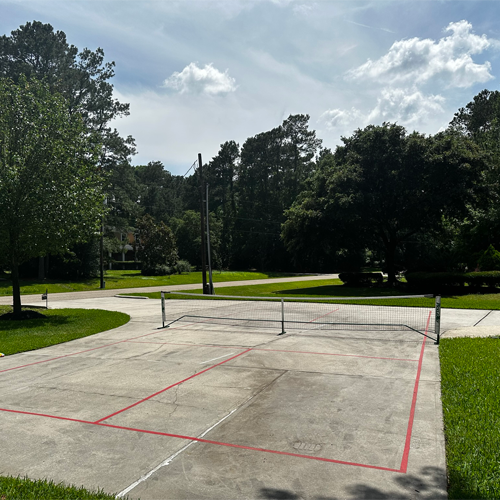
If you are running a pickleball academy or a community center that hosts courts, you can borrow from this model. Begin with a clear definition of what proof of booking means for your space. Establish a simple set of steps that a user can follow to secure a court and receive a confirmation. Build a gentle, predictable cancellation policy that preserves time for others and reduces the drama around unintended gaps in the schedule. And finally, cultivate a staff culture that treats every booking reference as a promise to be kept and every late arrival as a chance to demonstrate grace under pressure.
Two brief lists that you can use as quick references
What to have ready for proof of booking
- Booking reference or confirmation number
- Date, time, and court number
- Names of players or teams in the session
- Any equipment rental details or special requests
- A contact method in case of changes
Common pitfalls and how to avoid them
- Overlooking the cancellation window: set a reminder and act early if plans change
- Sharing a booking reference insecurely: keep it confidential and only share with those who need it
- Arriving without proof of booking: bring the confirmation on a mobile device or printout
- Misunderstanding the policy on extensions: review the policy and communicate promptly with staff
- Failing to update contact information: keep your profile current so reminders reach you
If you work in or around the Era Pickleball ecosystem, you will recognize this pattern. The system works best when players engage with it as a living agreement, not as a stubborn checklist. The minute you treat your booking as something to be managed rather than something to be lived, you lose the thread that connects practice, opponents, and progress.
Beyond the concrete: how proof of booking shapes practice culture
A strong booking culture does more than maintain order on a busy afternoon. It shapes how players approach practice itself. When you know you have a solid reservation, you can invest the minutes before your session in warm-ups, in a deliberate plan for the drill you want to master, or in a quick conversation with your partner about strategy. The certainty of a confirmed court gives space for preparation, not paranoia. It frees energy for focus, a resource that is often scarce during a packed weekend.
The environment at era pickleball centers is not a sterile gym floor. It is a living neighborhood where people come to learn, to compete, and to enjoy the social rhythm of a sport they love. The infrastructure of proof of booking supports that environment by providing a dependable spine for the day. It makes room for improvisation within boundaries. It allows a staff member to step in with a calm, practical solution when something unexpected occurs. It makes the moment you step onto the court a moment of clean intention, not a scramble to figure out where you are supposed to be.
For coaches, the implications are tangible. A reliable booking proof means you can plan a session with a clear gauge of how much tempo you can push, how many players you can realistically coach at once, and how much time you can reserve for feedback without starving the rest of the group. It translates into better drills, more precise feedback, and a higher probability that each session ends with players leaving with a tangible improvement they can carry into their next practice.
As a long-time observer and participant in this ecosystem, I have watched small decisions underpin large outcomes. The decision to treat proof of booking with seriousness cascades into punctual arrivals, better turnarounds between sessions, and a culture of accountability that makes players feel seen and respected. And when that culture is in place, the unrelated frustrations—parking, door access, minor miscommunications—tale away in importance, because the day has been anchored by something simpler and more reliable: a confirmed commitment to show up and play.
Final reflections
The proof of booking is not glamorous. It is not the flashiest feature of erapickleball.com pickleball court rental pages, nor the most talked about aspect of the Era Pickleball pickleball center experience. Yet it sits at the center of how the community functions. It is the quiet backbone that supports learning, competition, and camaraderie. It is the practical craft that turns a casual afternoon into a meaningful training block, a social event into a structured practice, and a group of players into a reliable nucleus around which the facility can organize its energy.
If you are new to this landscape, start by thinking of proof of booking as a pledge you will keep. Treat the booking reference as your pass to an organized, respectful space. Show up at the scheduled time with the right equipment, the right plans, and the right courtesy for the staff and fellow players. You will find that the process becomes not a barrier but a bridge. It reduces wasted moments, it fosters a sense of belonging, and it makes your time on the court more productive and enjoyable.
Era Pickleball is not just a place to learn the sport. It is a community that grows with the people who participate in it. The court rental experience, anchored by robust proof of booking, is one of the quiet engines that keeps that community moving forward. It is the invisible thread that ties a restless afternoon to a finished drill, a sharp rally to a constructive critique, and a plan for tomorrow that feels within reach because today’s plan was clear from the moment you clicked confirm.
In the end, proof of booking is less about the formality of documentation and more about the trust you build with your own future self. When you know you will be on time, prepared, and respectful of the space, you start to see the court not merely as a surface to hit a ball against, but as a stage for learning, a forum for collaboration, and a place where the simple act of showing up becomes a meaningful habit. The ergonomy of reservation, the cadence of reminders, the calm efficiency of staff who understand the system, and the humanity of players who value connection all converge in a single, quiet truth: when a booking is real, play follows.