Era Pickleball: Your Comprehensive Guide to Local Pickleball Near Me
If you live in a town that feels too small for a sport that travels fast across courts, you’re not imagining it. Pickleball has a way of turning neighborhoods into thriving hubs of activity, conversation, and friendly rivalry. Era Pickleball has built a network that feels both intimate and expansive, a local option that still carries the energy you’d expect from a bigger club. This is a guide drawn from real-world experiences, not brochure promises. It aims to help you find, use, and enjoy Era Pickleball facilities, whether you’re swinging a paddle for the first time or chasing a set score you can brag about at the next block party.
Begin with a level set: pickleball near me has become less about discovering a court and more about discovering a community. Era Pickleball positions itself as a local anchor in many communities, offering indoor and outdoor courts, group lessons, leagues, and membership pathways that reward consistency. You’ll hear players describe the vibe in terms that feel earned, not manufactured. It’s the kind of place where you arrive early for a singles match and end the day swapping tips with someone who just learned the sport last spring. If you’re evaluating options for a family weekend, a weekday practice, or a casual game after work, Era Pickleball tends to balance accessibility with the depth of a well-run club.
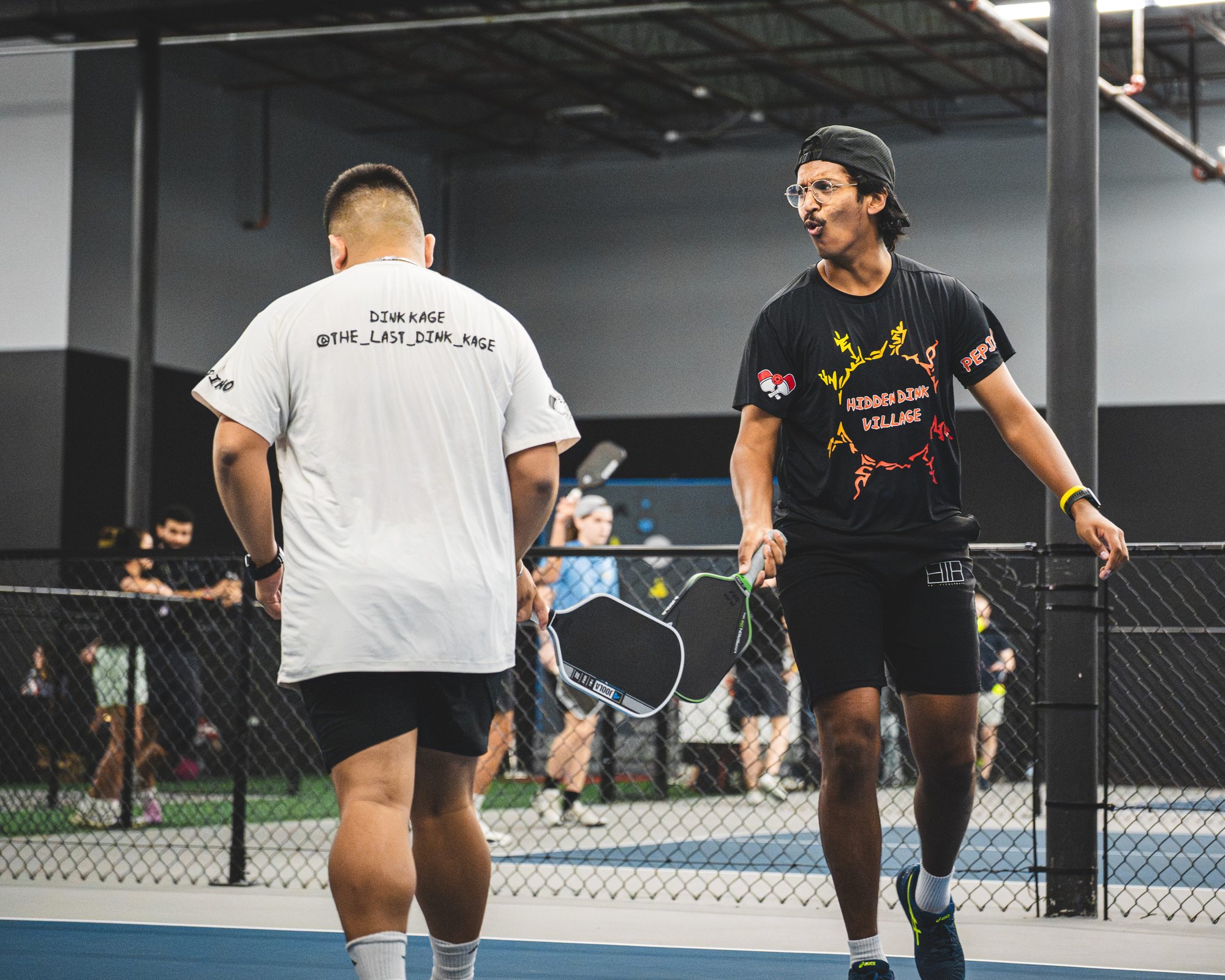
The practical realities of finding and making the most of Era Pickleball fall into three buckets: location and access, the culture and structure of play, and the practicalities that turn a casual session into steady improvement. Let’s walk through those with concrete, actionable details. I’ll weave in the kind of memory and nuance that comes from years of navigating leagues, schedules, and court etiquette, because the human side of this sport matters as much as the rubber on the paddle.
Location, access, and the shape of the court network
When you search for Era Pickleball, you’ll quickly notice the two core modalities that define most clubs in this network: indoor courts for year-round play and outdoor courts that let the weather write the session plan for you. Indoor Era Pickleball facilities tend to cluster in towns with longer winters or where multi-use recreation centers house the courts. Outdoor venues are common in warmer seasons or in regions where the weather is reliable enough to sustain outdoor play for several months.
The indoor spaces are practical and efficient. Floors are often polished wood or sport-grade composite that provide predictable bounce and a level feel across the court. Lighting is steady, designed to minimize glare and fatigue during evening play. You’ll notice the same careful attention to sound, with net systems calibrated to minimize the thump of a mis-hit and the ping of a ball clipping a rail. In a good Era Pickleball indoor facility, you can walk out onto the court and feel the weight of your first rally without wondering whether the surface is going to bail you out of a shot. The system of booking, whether through an app or a front desk, tends to be clear, with reminders that keep you from double-booking or showing up to an unusually crowded court.
Outdoor Era Pickleball courts embody the more social side of the sport. In many places, the outdoor calendar is a regular rhythm: morning sun, a lull around midday heat, then the evening breezes that make a late game feel almost ceremonial. The best outdoor venues balance shade structure with sun exposure, providing a mix of sunlit and shaded courts to account for intensity, time of day, and the age of the players on the court. You’ll often encounter a casual, communal feel on outdoor days: players share tips, pairings form organically, and the social dynamic can be as engaging as the rally itself. That said, outdoor play is at the mercy of weather. You’ll want a clear rain policy, a way to reschedule, and an understanding of how long you can expect a court to remain playable after a light shower or a heavy downpour.
The Era Pickleball network tends to emphasize inclusivity: beginners who are just learning the diagonal cut shot are not automatically relegated to the backcourt while seasoned players chase glory on the top line. The courts themselves are a canvas for people at different levels of the sport, and the staff often prioritizes safety, proper technique, and a friendly welcome over pure competition. If you’re new to the sport, you’ll notice this emphasis in the way instructors encourage questions, correct grips, and adjust drills to fit your pace of learning. If you’re a more experienced player, you’ll find ample opportunities to test your reflexes, hooks, and drop shots against a rotating group of opponents who match your pace.
Finding a good Era Pickleball location usually starts with a practical search: is there a facility within a reasonable driving radius, do they offer the times you want, and is there a path to membership or a regular league you can join without a bureaucratic hurdle? The answers vary by region, but the throughline is clear: the best local options combine reliable access with a climate for social play and steady improvement.
Structure of play: leagues, lessons, and the daily grind of improving
Era Pickleball tends to structure its offerings around four pillars: open play that invites casual rallies, structured clinics or lessons designed for skill development, member leagues that create a routine, and special events that bring the community together beyond the court. Each pillar serves a different need, and together they form a reliable ecosystem for players at every stage.
Open play is the daily bread. This is the session where you show up with a coffee, fear not your first serve, and work through a few rounds with players who share a common aim: keep the ball in play and have fun. The challenge in open play is to balance your desire for reps with the etiquette that keeps the pace moving and the court safe. You’ll quickly learn the rhythms that keep games moving: rotating in and out, calling lines, and learning to manage your energy so you don’t burn out halfway through a session. The best open-play environments I’ve encountered are crisp about time limits per game, but flexible enough to accommodate newcomers who want a longer warm-up or a slower start.
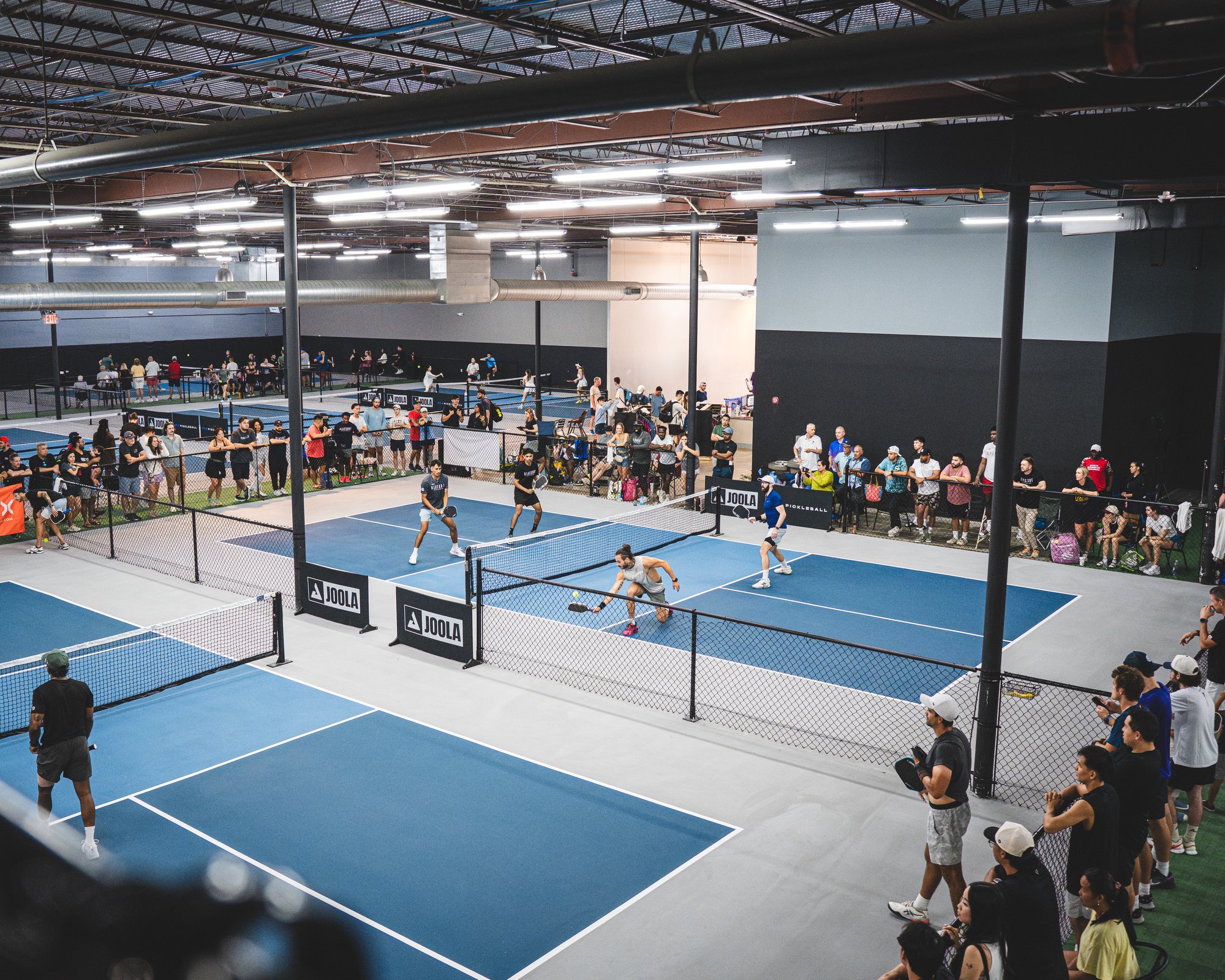
Lessons and clinics are where the quality of improvement becomes tangible. Era Pickleball programs often feature a mix of one-on-one coaching and small-group clinics. The coaches bring practical, drill-focused instruction, from grip and stance to footwork patterns that translate into court coverage. A common experience is starting with a fundamentals session and then layering on strategy as your ball control improves. A well-run clinic will push you into uncomfortable but productive drills, followed by feedback that helps you apply the new technique in your next rally. The most valuable clinics tend to pair a quick theory segment with immediate on-court practice so you leave with at least one new habit to work on before your next visit.
Leagues add a rhythmic competitiveness to the mix. If you’re someone who thrives under a little pressure, leagues offer structure: regular match days, a scoring system, and a chance to track your progress over weeks or months. The best league experiences I’ve seen balance transparency with social energy. You know where you stand, you cheer for your teammates, and you still get to test yourself in high-stakes rallies. Leagues often branch by skill level, with casual, intermediate, and advanced divisions. The result is a tiered ladder that rewards improvement while keeping play accessible for beginners who are still finding their footing on the court.
Special events and social occasions round out the calendar. Era Pickleball hosts charity tournaments, themed social nights, and informal gatherings that extend the sport beyond the score. These events matter because they remind everyone that the sport operates on relationships as much as points. A well-run event means you show up with the same energy you bring to practice, you stick around for a post-game drink or a shared meal, and you walk away with the sense that you’ve connected with people who’ll be there when you need a partner for a weekend match or a casual game on a Tuesday.
The decision to join Era Pickleball often comes down to two practical questions: is the facility a reliable discover more home base, and does it nourish the kind of practice and community you want? The most satisfying outcomes typically come from a blend of consistent access, thoughtful coaching, and a social environment that makes you want to come back. If your goal is to climb a ladder of improvement, you’ll appreciate a pathway that feels deliberate without ever feeling rigid.
A practical guide to navigating Era Pickleball with real-world instincts
What follows are concrete steps and sensible cautions I’ve learned from years of trying to balance work, family, and a passion for sport. These are not exhaustive rules, just a grounded framework you can apply as you test different facilities and programs.
First, treat court availability like a resource you manage, not a privilege you request. If you want to keep a rhythm, look for a facility that offers a recurring time block you can depend on. It’s not unusual to find that the best options are the ones with a simple, online booking system and a small but devoted staff who keep the courts in good condition. When you lock in a regular slot, you’ll find you progress faster because you can practice the same skills week after week, and your muscle memory has a chance to settle.
Second, invest in a basic skill kit that supports your learning curve without breaking the bank. A couple of paddles, a few practice balls, and a wearable or cheap timing device to track your rally length can make a surprising difference. The most impactful improvements often come not from fancy gear but from deliberate practice. For beginners, I recommend starting with a neutral paddle and practicing the kitchen dinks, cross-court lifts, and controlled serves you’ll encounter in clinics. For intermediate players, a slightly heavier paddle can improve stability on drives, while a lighter paddle can help with fast reflex exchanges during open play.
Third, cultivate a routine that blends learning and play. I’ve seen people who come with a plan and others who improvise, and the plan wins in the long run. A solid routine is a mix of drills, open play, and short map-outs of what you want to achieve in a week. It could be a Tuesday night clinic focused on footwork, a Thursday open play session to work on your serve return, and a Saturday league match to test what you’ve learned in a more competitive setting. The key is consistency, not intensity. If you can commit to two purposeful sessions per week, you can watch your alignment and shot selection improve in a meaningful way.
Fourth, learn the etiquette. Pickleball has a social contract, and the best experiences happen when everyone follows it. Start with a simple rule of courtesy: call the ball loudly and clearly, avoid stepping in on a partner’s shot, and rotate in with grace. If you watch a few hours of play and notice players who are quick to share tips, you’ll know you’ve found a good culture. On the other hand, if you encounter players who dominate without regard to others or a staff that seems overwhelmed by crowding, you might want to consider a different Era Pickleball location or a different time of day.
Fifth, plan for the long term. Pickleball, like many skill-based sports, unfolds gradually. You won’t suddenly become a top seed overnight, but you can develop a reliable game that’s enjoyable in every session. The best players I know treat practice as a bank of small improvements, each one building toward a game plan you can adapt when the pressure rises. They measure progress by more than wins and losses; they track how often they place the ball where they intend and how quickly they recover off difficult returns.
Two short but meaningful lists you can use on your next visit
- A quick-start checklist for your first indoor session
- A concise comparison of indoor versus outdoor play at Era Pickleball
Two lists, five items each. They are designed to be handy on the court or at the front desk, but they are optional in the sense that you can file them away as mental notes or skip them if you prefer prose.
A quick-start checklist for your first indoor session
- Arrive early to stretch and observe a few rallies from the sidelines
- Bring comfortable athletic shoes with non-marking soles
- Have a spare paddle and a few extra balls in your bag
- Introduce yourself to a staff member or a coach and ask about the day’s plan
- Focus on grip, stance, and a reliable serve that lands in the correct service box
A concise comparison of indoor versus outdoor play at Era Pickleball
- Indoor courts offer predictable bounce and controlled lighting, with a climate that supports year-round play
- Outdoor courts expose players to sun, wind, and temperature variations, but often foster a more social, casual atmosphere
- Indoor sessions tend to emphasize technique and drills, while outdoor sessions lean into endurance and rally flow
- Playing indoors often means shorter post-game cooldowns and easier scheduling due to controlled conditions
- Outdoor play can provide a more relaxed pace and the chance to meet neighbors who might not frequent the indoor facilities
Beyond the numbers: the human side of Era Pickleball
What makes Era Pickleball feel real on the court is the combination of accessibility and a sense of belonging that isn’t manufactured. You’ll see the same faces rotate through, week after week, with new players integrating into the fabric of the group. There is a tendency to celebrate small wins together: a cleaner dink, a correctly placed lob, or a clever transition from defense to offense that gives your team a moment of shared exhale. The social moments are not an afterthought; they are a built-in feature because the people behind the club understand that sport is a social act as much as a physical one.
In my own experience, the best days come when the open play session evolves into a spontaneous doubles pairing that becomes your go-to rotation for the month. You’ll stumble into a rhythm where you know the other players’ tendencies, and the court becomes a stage for improvisation. It isn’t about memorizing a set of plays so you can beat a particular opponent. It’s about knowing your own limits, understanding how to respond when the ball comes at you with unusual pace, and keeping a calm mind when a rally tightens and the ball seems to vanish in a fleeting moment of pressure.
For families and new players, Era Pickleball can be a gateway to a longer-term relationship with sport. You can start with a trial session, a family-friendly clinic, or a beginner course that introduces the basic shots in a supportive, low-stress environment. The transition from beginner to intermediate is often marked by a small increase in court time and a gradual expansion of the shot repertoire. The family dynamic can become a recurring weekend ritual that blends exercise with social time, as adults discover the sport alongside their kids or partner. The key is to guard against over-ambition early on; the fastest route to enjoyment is learning to keep the ball in play and savor the moment when a new shot finally lands with consistency.
Edge cases and practical cautions you’ll encounter
Every sport has its quirks, and pickleball is no exception. There are days when the court is crowded, and days when it feels like the universe is testing your reflexes. In the busiest times, you might see a temporary queue for certain courts or a need to adjust your expectations about how quickly you can get a match. Don’t mistake this for poor management; it is a natural byproduct of a sport that has grown rapidly in many communities. The best operators respond by offering clear scheduling policies, real-time updates, and fair rotation systems that keep play moving and prevent anyone from feeling sidelined.
Another practical caveat concerns equipment and maintenance. While the equipment is generally robust, you will encounter the occasional paddle with a loose grip or a ball that looks more worn than its peers. The faster you learn to assess these small issues, the smoother your sessions will be. If you notice persistent problems with a paddle or a court surface, speak up. The staff appreciates timely feedback that helps them keep the facility running at a high standard. A well-run Era Pickleball facility will respond to concerns with a clear remedy, whether that means replacing a grip, rescheduling a court, or adjusting a drill to fit weather-related constraints.
Culture, values, and the long arc of your pickleball journey
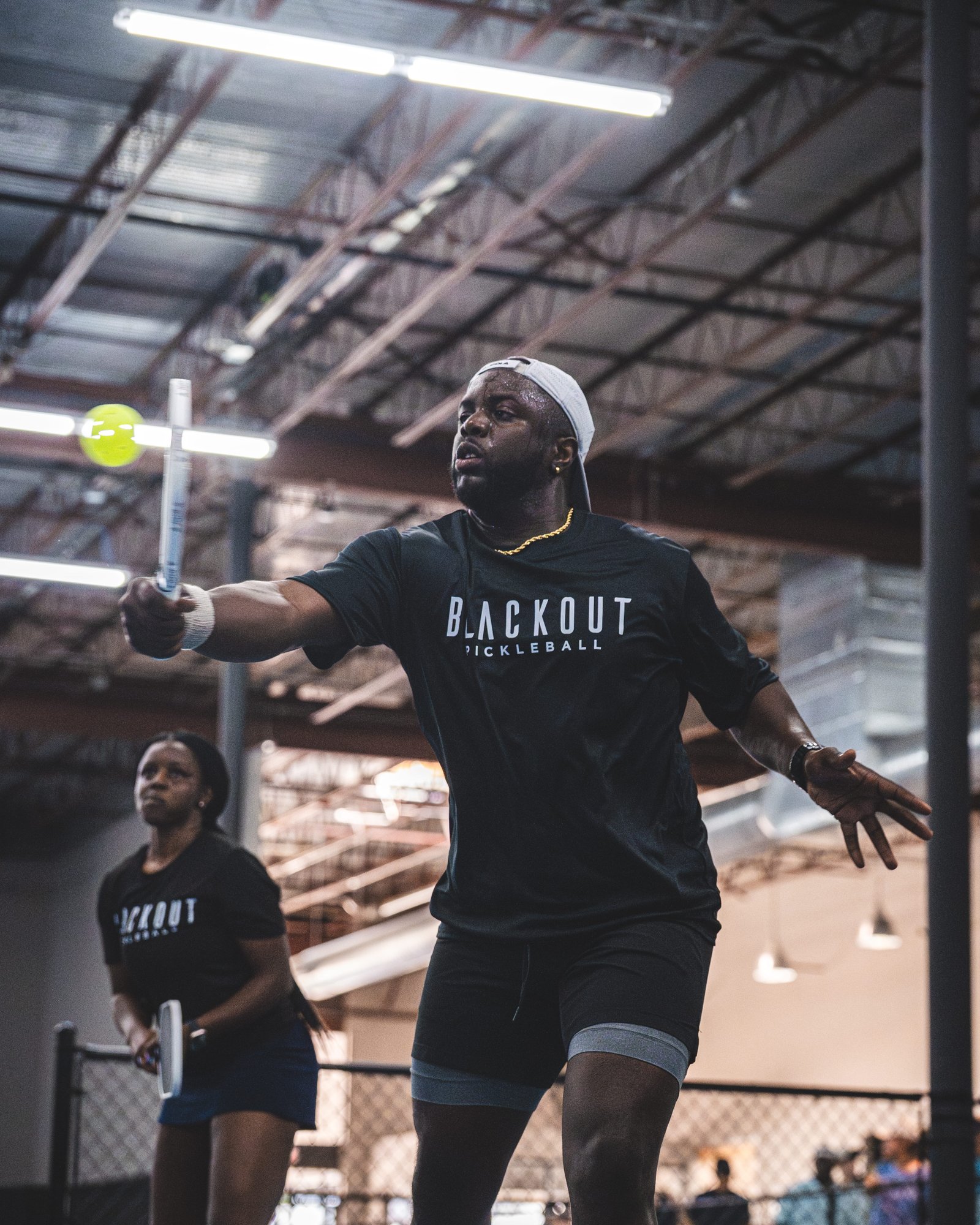
The culture you discover at Era Pickleball will shape your early expectations and your longer-term plans. If you value a welcoming environment where beginners can learn without fear of judgment and where skilled players offer constructive feedback without gloating, you’ll likely find this a fertile ground for growth. If you value a relentless competitive atmosphere with a steep ladder and high-stakes matches, you’ll still find space here, though you might gravitate toward leagues and clinics that emphasize technique and tactical play to support your climb.
In the end, your pickleball journey is not merely about the number of games you play or the intensity of your workouts. It’s about the continuity of your practice, the degree to which you feel supported in your goals, and the stories you collect along the way. The Era Pickleball model tends to reward those who show up consistently, who listen and learn, and who engage with the community in good faith. If you want a home base that grows with you, Era Pickleball often delivers that sense of belonging, paired with the practical tools necessary to improve without surrendering the joy of play.
A note on choosing the right Era Pickleball experience for you
Every city runs its own version of an Era Pickleball program, with its distinct staff, facilities, and schedule. If you’re shopping around, a few practical questions can help you compare options quickly:
- What is the typical court availability on weeknights and weekends?
- Do they offer a structured beginner program and how long does it last?
- How active are the leagues and what are the typical match formats?
- What is the policy on equipment, and can you borrow paddles or balls?
- Is there a clear path to membership and what does it include?
The right answer often comes down to whether the facility aligns with your schedule, your pace of learning, and your social temperament. Some people want a venue that feels like a second home, with a friendly crowd and predictable routines. Others want a strong coaching pipeline and a serious ladder that pushes them toward higher performance. There is room for both within Era Pickleball, and you can discover which lane fits you by sampling a few locations, trying a couple clinics, and taking part in a league or two.
Conclusion, in the sense of a living, ongoing story
Era Pickleball is more than a brand or a set of courts. It is a living network that stitches together the practicalities of fielding a sported community with the human desire to connect, compete, and improve. The best days I’ve spent on the court have come when I entered a session with a clear plan, a curiosity about my opponent’s tactics, and a willingness to laugh at the inevitable mishits that come with learning a new grip or adjusting a stance. It is in those moments that the sport reveals its gift: the simple, surprising truth that progress happens when you stay engaged, show up, and treat the court as a shared space rather than a stage for solo performance.
If you’re in the market for a local pickleball home base, Era Pickleball offers a compelling combination of accessible facilities, structured programs, and a community that can turn a casual weekend into a regular ritual. From the crisp quiet of an indoor practice to the bright chatter of an outdoor league night, there is a cadence here that can fit a wide range of lives. The ripples you feel on the court will depend on your own commitment, but the water is there to be stirred, and the paddle to be swung. The rest—your growth, your connections, and your joy on a sunlit court—will follow.