Era Pickleball Club Directory: Find Your Nearest Team
When I first started playing pickleball seriously, the hardest part wasn’t learning the dinks or mastering the serve. It was finding a community that matched my pace, my goals, and my calendar. I lived in a city with a dozen rec centers and one enthusiastic club that met on Sundays. The rest of the week, I trained in isolation, chasing private drills and hoping to meet someone who could remind me why I fell in love with the game in the first place. That all changed when I discovered Era Pickleball’s club directory. A simple search, and suddenly there was a map with real people, real schedules, and real courts near me. The directory isn’t just a directory. It’s a living fabric of communities that span indoor and outdoor play, casual drop-ins, and competitive leagues. It’s where the awkward first week gives way to the confidence you feel after a close, decisive rally in front of a cheering team.
If you’re weighing whether to join a pickleball club, the decision often comes down to two things: access and accountability. Access because the right club connects you to venues that suit your style, whether you prefer a fast-paced indoor court during the winter or a sun-warmed outdoor complex when the days lengthen. Accountability because a club anchors your practice in a weekly rhythm and a circle of teammates who push you to improve. The Era Pickleball Club Directory is designed to help you balance both, without the guesswork.
What makes a directory worth using is the quality of the hubs it points you toward. In the Era ecosystem, a club isn’t a single court or a weekend pickup game. It’s a constellation of opportunities: curated leagues, professionally run lessons, and facilities that feel like a second home. The directory recognizes this, highlighting not just where you can play, but how and with whom you can learn, compete, and grow as a player. It’s a map with a human heartbeat behind every pin.
Let me walk you through how to navigate the directory effectively, what to expect from Era Pickleball facilities, and how you can leverage the surrounding ecosystem—lessons, leagues, memberships, and social play—to build a routine that sticks.
Finding your nearest team and the right environment
First, the basics. The Era Pickleball Club Directory isn’t just a static list. It’s an interactive resource that aggregates venues, clubs, and events under a single umbrella. When you search for “pickleball near me Era Pickleball,” the results should feel intuitive, almost like you’re looking at a personalized neighborhood map rather than a dry directory. The best directories accomplish three things at once: they surface diverse options, they provide transparent details about what each option offers, and they allow easy comparison so you can choose the path that aligns with your current goals.
Let’s unpack what you’ll typically encounter in the directory and how to interpret it for your situation.
Indoor vs outdoor: two sides of the same game
Indoor pickleball courts offer consistency. Temperature control, reliable lighting, and dry floors make winter evenings feel like summer afternoons. When you’re chasing improvement, indoor venues often matter because they remove weather as a variable. If your schedule includes after-work sessions, or you’re training for a winter league, an Era Pickleball indoor facility can become your most dependable anchor. The directory will usually flag indoor venues with accessible amenities—pro shops, on-site seating for spectators, and perhaps a lounge area where you can stretch between games.
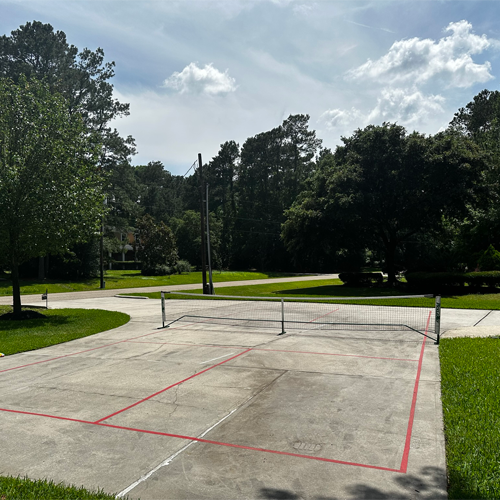
Outdoor courts, on the other hand, reward versatility and a different kind of stamina. Outdoor play teaches you to adapt to wind, sunlight, and changing surface conditions. It’s where you learn to manage pacing and shot selection when the ball behaves unexpectedly. The Era Directory highlights outdoor options that still maintain quality: well-kept courts, shade structures, water stations, and robust scheduling so you aren’t left waiting in the heat. If your goal is to split your year between sunny outdoor sessions and cold weather indoor practice, the directory becomes your blueprint for year-round engagement.
Structures that support your growth
Most clubs in the Era network offer more than court time. They tend to cluster around a few cornerstone experiences that reliably drive improvement and belonging.
- Group lessons and clinics. These are affordable, predictable entry points where you can build fundamentals with a coach who speaks your language. Look for offerings that align with your level, whether you’re just starting out or you’re sharpening advanced dinks and transitions.
- Leagues and round robins. There’s nothing quite like the pressure and camaraderie of a real league. Even if you’re not aiming for a national stage, leagues give you structured play, consistent matchups, and a social spine that makes the sport stick.
- Social play nights. Some of the best intentions get realized on a casual Saturday evening, when the gym lights glow and you meet players who become friendly rivals or potential training partners.
- Coaching pathways. The more formal coaching routes—video analysis, personalized game plans, and periodic progress check-ins—the faster you’ll converge on your own best version of the game.
- Facility perks. A well-run club often includes on-site amenities that matter when you’re building a practice routine: dedicated court reservations, a well-organized booking system, and a welcoming front desk that can set you up with the right partner for the day.
The directory helps you see these options at a glance, but the real value comes from reading between the lines. A venue that emphasizes clinics but also offers a flexible court-sharing policy is often a stronger long-term fit than a place that looks like a perfect match on paper but has limited practice continuity.
From search to schedule: practical steps
If you’ve used similar directories for other hobbies, you’ll recognize a familiar arc. You start with a general search, identify surprising options, then narrow down to a short list of places you could call https://chanceoqjm925.quantlynix.com/posts/pickleball-court-rental-erapickleball.com-fast-checkout home. The Era Pickleball Club Directory supports that arc with a practical, human-centered approach. Here’s how to move from a handful of promising leads to a concrete plan you can implement this week.
- Define your goals. Are you chasing a deeper tactical game, or simply a consistent schedule that maintains fitness and fun? Your goals shape the kinds of clubs you’ll prioritize. For some players, a weekly league is the north star; for others, a quarter-hour private lesson before work is the anchor.
- Check the facilities. Indoor venues require reliable lighting and climate control; outdoor venues benefit from shade, wind breaks, and well-marked courts. Visit if possible, or at least peruse recent photos and recent member reviews. A well-maintained court is a sign of a well-run club.
- Review the schedule cadence. How often can you realistically commit? If your life has shifting nights, a club with flexible booking windows or casual practice times will serve you better than a rigid, fixed schedule.
- Assess the coaching and community. The right club pairs strong coaching with a welcoming social environment. You want coaches who challenge you in concrete ways and teammates who push you to improve without turning every session into a cutthroat match.
- Test drive with a trial pass. Look for opportunities to try a drop-in session or a trial week. A low-friction entry creates momentum; once you’ve seen the vibe, you’ll know if this is your team.
The directory’s real value is not just listing venues; it’s offering a framework to compare on the same terms. Some clubs emphasize high-intensity, metrics-driven progress; others cultivate a science of fun, with social play that keeps players coming back even when wins are scarce. The Era directory respects this diversity and helps you find the middle ground that feels right for you.
What to expect when you join Era Pickleball clubs
Once you’ve identified a club from the directory that resonates, there are common patterns you’ll encounter as you begin your journey. Not every club follows the same script, but the most successful ones share a few practical traits that make participation feel straightforward and rewarding.
Clear onboarding. A strong club will guide you through equipment basics, court etiquette, and their scheduling system. You should walk away with a simple plan: how to book a court, who to contact for issues, and what the next few sessions will look like.

Structured programming. Expect a predictable cadence—beginner clinics on Tuesdays, interclub social play on Thursdays, and a league match every Sunday. Even if your calendar is busy, you’ll be able to slot something consistent.
Accessible coaching. Coaches who can tailor instruction to different skill levels are a frequent differentiator. A good club offers a menu that includes beginner fundamentals, mid-level strategy, and advanced shotmaking. You should notice progress month over month in your own game.
Community warmth. A club should feel like a community rather than a collection of players who happen to share a space. When you show up, you should sense a welcoming energy that invites questions, celebrates small wins, and nudges you to keep showing up.
Solid facilities. The physical environment matters. Clean restrooms, ample shade, water stations, and clearly marked courts pull the entire experience together. It’s not about luxury, but about reliability and comfort during long sessions.
The era of the club directory is not about replacing the human elements of a team with an algorithm. It’s about making the first connection as frictionless as possible so you can get to the core of the sport faster—the actual playing, learning, and growing on the court.
Stories from the court: how players use the directory to build momentum
Let me share two brief, but telling, experiences that show how the directory translates into real momentum on the court.
Case study one: winter resilience through indoor consistency. A player I know moved to a city with brutal winters and a patchy outdoor scene. He found a nearby Era Pickleball indoor facility through the directory and joined a weekday clinic as his anchor. Within six weeks, he felt the difference in his footwork and decision making. The indoor environment allowed him to stick to a weekly cadence, and the coaching feedback helped him bring better anticipation to rallies. Come spring, he didn’t disappear when the days turned long; he shifted to the outdoor courts with confidence, carrying over the good habits he had built indoors.
Case study two: the social turn into steady competition. A retiree who loved the social aspect of pickleball found a club in the directory that prioritized social play nights but also offered a league option. He started with casual drop-ins, then joined a 14-week league that fit his pace. The social structure was meaningful—teammates who checked in, scheduled practice partners, and even organized carpooling to away matches. The result was not just better play; it was a sense of belonging that kept him motivated to improve.
These stories aren’t unusual in the Era network. The directory’s strength lies in how it connects people to venues that align with their personal rhythms—weekly routines, seasonal adaptations, and the social glue that makes practice feel less like work and more like a habit you care to maintain.
Pricing, memberships, and value: what to expect
Cost structures vary across clubs, especially when you factor in indoor vs outdoor locations, facility maintenance, and the scope of programming. The general reality is straightforward: the best value tends to come from clubs that bundle access with coaching and structured events rather than charging per hour without a plan. Expect a mix of:
- Monthly memberships that unlock a block of court time plus access to clinics or leagues.
- Pay-as-you-play pricing for casual drop-ins, often with a small discount if you book ahead.
- Package options for families or couples, which can broaden your social circle without inflating costs.
- Separate fees for specialized events like weekend clinics or national-style tournaments.
- Optional add-ons such as equipment rental, video analysis, or private coaching packages.
If you’re comparing options, look beyond the sticker price. Ask about what you actually get: dedicated practice space, guaranteed lanes during peak times, priority booking, and the ability to bring a guest. A club that leverages a strong directory to coordinate schedules across facilities often delivers more consistent value because you can maintain your routine even when life throws a curveball.

Your next steps: turning the directory into daily practice
The moment you find a few promising clubs, you want to translate that discovery into a consistent routine. Here are practical steps you can take this week to move from curiosity to momentum.
- Pick a clear starting point. Choose one indoor option for winter consistency and one outdoor option for summer flexibility. This dual approach ensures you aren’t dependent on a single climate or season to keep your game sharp.
- Book a trial week at each selected venue. Use the directory’s booking tools to secure a handful of sessions and go in with a plan for each one. Decide in advance which drills you’ll focus on and which players you’ll try to play with.
- Schedule a recurring block. If possible, lock in a weekly time that becomes your anchor, even if you swap venues occasionally. A reliable cadence cuts friction and builds skill faster.
- Track your progress. Keep a simple log of what you tried, what clicked, and what didn’t. Includes notes on shot selection, court positioning, and your physical responses to different surfaces.
- Engage with the community. Introduce yourself, seek partners for practice, and join social events. The social component of a club is often the quickest path to sustained improvement because it creates immediate accountability and shared purpose.
Trade-offs and edge cases to consider
No single club or facility is perfect for everyone. You’ll encounter trade-offs that require thoughtful judgment.
- Convenience vs. Depth. A venue that is closest to you might offer convenient play, but a slightly farther option could deliver a stronger coaching lineup and more robust leagues. If you’re serious about improving, the extra drive may pay off in the long run.
- Climate control vs. Outdoor texture. Indoor courts offer reliability; outdoor courts demand adaptability. If you’re training for a specific league or tournament, you’ll want to balance the climate-controlled environment with real-world experience outdoors.
- Social atmosphere vs. Competitive rigor. A club that leans heavily into social play can be incredibly welcoming but may lack advanced coaching or high-level competition. If your aim is to push past plateaus, look for a balance of both social and competitive elements.
A note on sustainability and community impact
Beyond personal performance, many Era Pickleball clubs are actively engaged in community outreach and youth programs. When you choose a club, you are often supporting a network that hosts youth clinics, senior fitness events, and charitable fundraisers. If social impact matters to you, you’ll find it woven into the fabric of the club culture in ways that extend the sport beyond court lines. It’s a reminder that this directory is not just about where you play, but how you contribute to the broader pickleball ecosystem.
The pulse of the Era Pickleball Directory
The directory isn’t static. It grows with the sport, with new facilities joining the network, and with members sharing feedback about what works and what doesn’t. The best clubs listen as much as they teach, using member input to refine programming, adjust scheduling, and improve the hospitality that makes people want to return week after week. In practice, this means you should expect consistent updates to facility listings, more accessible booking options, and a visible emphasis on coaching quality and community events.
If you’ve ever wished for a reliable, human-centered tool to connect you with the right pickleball experience, the Era Pickleball Directory embodies that wish. It’s not a panacea, but it does something many hobby directories fail to do: it aligns practical logistics with real, meaningful opportunities to grow as a player and a person.
A closing thought about choosing your path
In the end, the decision to join a club and how to use the directory hinges on your willingness to lean into the sport socially and physically. The best decision isn’t choosing the most expensive facility or the most prestigious league. It’s choosing a place that respects your time, matches your skill level, and sustains your curiosity. It’s the club that makes you want to show up on a rainy Tuesday, a sunny Saturday, or a holiday morning because you know you’ll walk out better than you arrived.
I’ve witnessed players move from reluctant drop-ins to steadfast members in a season or two. They find a rhythm that fits their life, a circle of players who challenge them, and a instructor who helps them translate practice into on-court savvy. The Era Pickleball Club Directory is the map that helps you discover those opportunities. It’s the starting point, the compass, and the pocketful of local knowledge you need to turn motivation into progress.
Two small but potent reminders as you navigate the pages of the directory:
- Be explicit about your goals and your constraints. A clear objective makes it easier to evaluate the choices the directory presents and to hold a club to account for whether it can deliver on what you want.
- Give yourself permission to switch. If the first club you try isn’t the right fit after a couple of weeks, that’s not a failure. It’s simply data. Move to a new option, reassess, and keep building the routine that fits you best.
In the end, your nearest team is not just the closest court or the nearest league. It’s the group of players, coaches, and volunteers who share your ambitions and who will push you toward better play without pushing you away. The Era Pickleball Club Directory helps you find that group. It helps you translate curiosity into cadence, and it helps you see the court not as an obstacle but as a canvas for consistent improvement.
Two lists to guide your next steps
-
A practical starter checklist for exploring clubs
-
Define your goals for the first three months.
-
Identify one indoor and one outdoor venue from the directory.
-
Check for trial sessions and sign up for at least one.
-
Confirm booking process and technology used for scheduling.
-
Plan a recurring weekly block and share your plan with a friend or teammate.
-
A quick comparison framework for indoor vs outdoor clubs
-
Indoor courts provide climate control and consistent conditions.
-
Outdoor courts teach handling wind and sunlight in real game situations.
-
Indoor venues often have closer proximity to urban amenities and amenities for spectators.
-
Outdoor venues may offer longer seasonal access and a broader sense of open space.
-
A well-rounded practice plan should include both environments to balance precision and adaptability.
This is your moment to leverage the Era Pickleball Club Directory in a way that feels almost inevitable: you identify a path that fits your life, commit to a rhythm that supports improvement, and let the sport become a consistent source of challenge and joy. The nearest team is out there, likely within a short drive or a quick ride share, ready to welcome you into a community that values on-court progress as much as good conversations and shared laughter between matches.